
Luxury Stay Trends Shaping a Better Holiday
The most meaningful luxury stay trends are not about adding more to an itinerary. They are about taking away the pressure to perform, queue, choose, and keep up. For travellers arriving from fast-moving cities, true indulgence increasingly means waking to birdsong rather than breakfast-room chatter, lingering over a meal chosen for the table, and having the day unfold at a gentler pace.
This shift is changing what discerning guests seek in Bali, Sri Lanka, and other treasured tropical destinations. Beautiful interiors still matter. So do exceptional food, thoughtful design, and five-star comfort. Yet the experiences that stay with people are often quieter: a swim before anyone else is awake, an attentive team who remembers how you take your tea, or a family dinner that lasts long after sunset.
Luxury stay trends are becoming more personal
For many years, luxury was measured in visible excess: the grandest lobby, the most restaurants, the fullest schedule of facilities. That model still suits some holidays, particularly shorter city breaks or trips where guests want a lively social atmosphere. But for longer escapes, celebrations, and family time, the desire is moving towards privacy with genuine care.
A private villa gives guests something that even an excellent hotel suite may struggle to provide: a sense of belonging. There is room to settle in, rather than simply pass through. Children can play without the formality of shared spaces; grandparents can rest nearby; friends can gather around one table without competing with the rhythms of a resort.
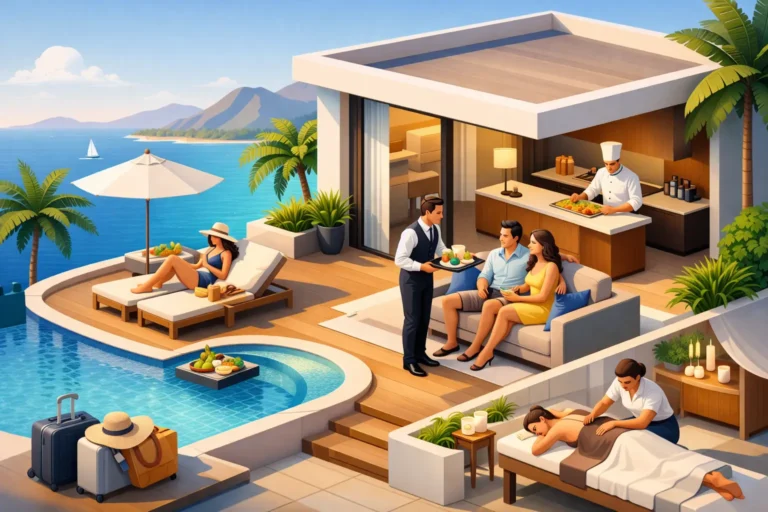
Privacy, however, should never mean being left to manage every detail alone. The most considered stays pair seclusion with discreet support. Staff are present when needed, then quietly step back. A chef can prepare a leisurely lunch around a guest’s preferences. A driver, therapist, or local guide can be arranged without the guest having to negotiate the details. It is hospitality that feels intuitive rather than intrusive.
Space has become a form of wellbeing
Wellness travel is evolving beyond packed timetables of treatments, green juices, and sunrise classes. Those pleasures have their place, but restorative travel is becoming more individual. One guest may want a massage in an open-sided pavilion; another may need nothing more than an unhurried morning, a book, and a view of rice fields, jungle, or ocean.
Generous private space supports both. A villa can hold different versions of rest at once: someone reading in the shade, someone swimming lengths, someone enjoying an afternoon nap, and someone preparing for an evening celebration. There is no need for a group to agree on a single programme in order to enjoy time together.
This is particularly valuable for multigenerational holidays. The practical comfort of separate bedrooms and generous living areas is part of the appeal, but the emotional benefit is greater. Families can share real time together without sacrificing solitude. The holiday becomes less about coordinating logistics and more about creating the kind of memories that are rarely possible at home.
The return of unstructured days
A carefully planned holiday can be deeply rewarding, especially when visiting a destination for the first time. Yet travellers are increasingly protecting empty space in their plans. They want the freedom to decide at breakfast whether the day calls for a temple visit, a surf lesson, or simply another hour beside the pool.
This does not mean a lack of curiosity about place. It means choosing depth over rush. A local market visited with a knowledgeable guide, a cooking experience shaped around regional ingredients, or a conversation with the people who care for a property can offer more connection than a list of attractions checked off before lunch.
Design must feel lived in, not staged
Architectural beauty remains central to a luxury holiday, especially in destinations where indoor and outdoor living can flow together. But polished spaces alone are no longer enough. Guests are drawn to homes with a sense of character: natural materials, considered artwork, airy communal rooms, and details that invite them to put their feet up rather than worry about disturbing the cushions.
The distinction is subtle but important. A stay can be exquisitely designed and still feel warm. In fact, the most successful villas often make their refinement feel effortless. They allow the landscape to lead, whether that means a horizon of palms, the rhythm of the sea, or the softness of tropical gardens after rain.
There is a trade-off here. Complete remoteness can bring remarkable tranquillity, but it may also mean a longer drive to restaurants or beach clubs. A central location offers convenience and energy, but perhaps less stillness. Neither choice is universally better. The right setting depends on whether a holiday is intended for exploration, celebration, restoration, or a little of each.
Meaningful celebrations favour intimacy
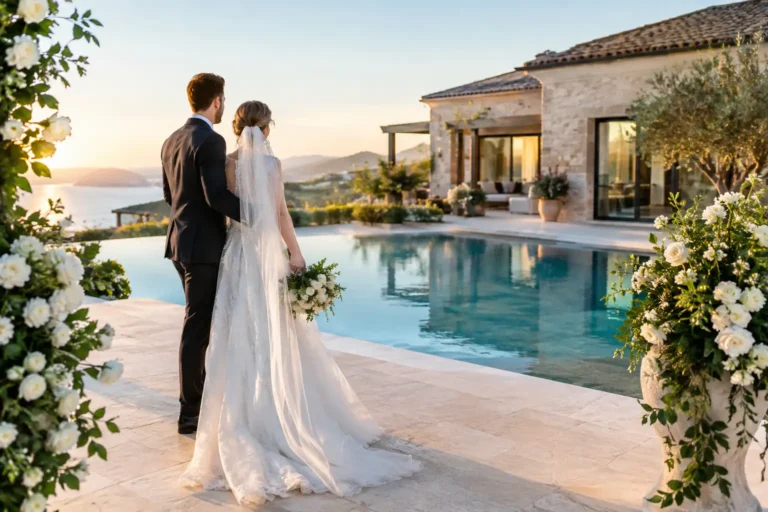
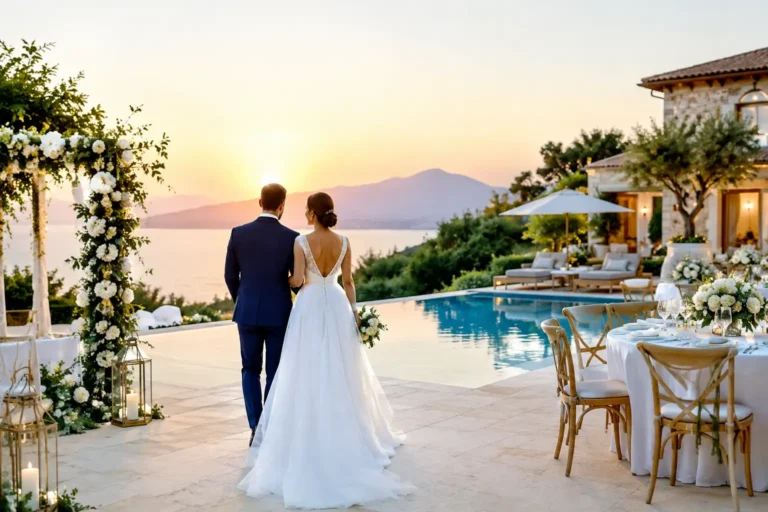
Destination weddings, milestone birthdays, reunions, and small gatherings are increasingly being shaped around time together rather than spectacle alone. Hosts want a setting that feels exceptional but not impersonal. They want their favourite people to have room to relax before and after the formal occasion, rather than disappearing into separate hotel rooms once the music ends.
A private residence changes the atmosphere of a celebration. The welcome drinks, the morning after, and the spontaneous conversations around the pool become part of the event itself. For wedding couples, this can create a more relaxed rhythm than moving guests between multiple venues. For families, it offers the comfort of sharing a home while still giving everyone their own retreat.
That intimacy requires careful service. Events should feel beautifully managed without making the hosts feel like organisers. The strongest villa experiences anticipate practical needs, from dining arrangements to quiet corners for older relatives, while preserving the feeling that the house belongs to the group for the duration of their stay.
Sustainability is becoming a question of care
Luxury travellers are asking more thoughtful questions about how a property relates to its surroundings. They are looking beyond broad claims and towards visible, credible choices: considered water use, reduced single-use plastics, local employment, locally sourced food where possible, and architecture that respects rather than overwhelms the landscape.
No long-haul tropical holiday is without an environmental footprint, and honest hospitality should not pretend otherwise. What matters is intention, transparency, and the everyday decisions that reduce waste while supporting local communities. A property that is cared for responsibly often feels better cared for in every sense.
Cultural connection also belongs here. Guests do not need a performance of authenticity. They need opportunities to experience a destination with respect, through its food, craft, traditions, and people. The goal is not to consume a culture, but to leave with a richer understanding of it.
Service is quieter, but more exacting
As luxury becomes less showy, expectations of service are rising. Guests want to be known, not processed. They appreciate a team that can make a favourite breakfast appear without fanfare, adjust plans when weather changes, and understand when conversation is welcome and when privacy is preferred.
That level of care is built through people, not scripts. At Ambalama Villas, the spirit of a home away from home rests on this balance: warm, attentive hospitality alongside the freedom to make the villa entirely your own. It is a model that recognises that no two groups travel for quite the same reason.
Technology can support this experience, but it should remain in the background. Easy communication before arrival, reliable connectivity when needed, and simple arrangements for requests are useful. Yet the point of a tropical sanctuary is not to make a holiday feel more digital. It is to make space for the parts of life that screens tend to interrupt.
The future of luxury is unlikely to be louder or more complicated. It will be found in places that offer beautiful space, deep comfort, and the rare relief of feeling completely looked after without ever feeling managed. The best stay gives guests more than a beautiful backdrop for photographs. It gives them the time, ease, and closeness to be fully present with the people they came to share it with.