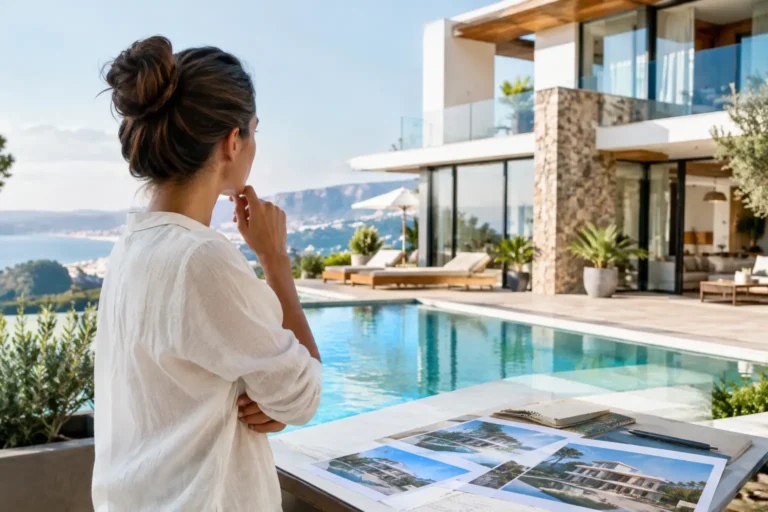

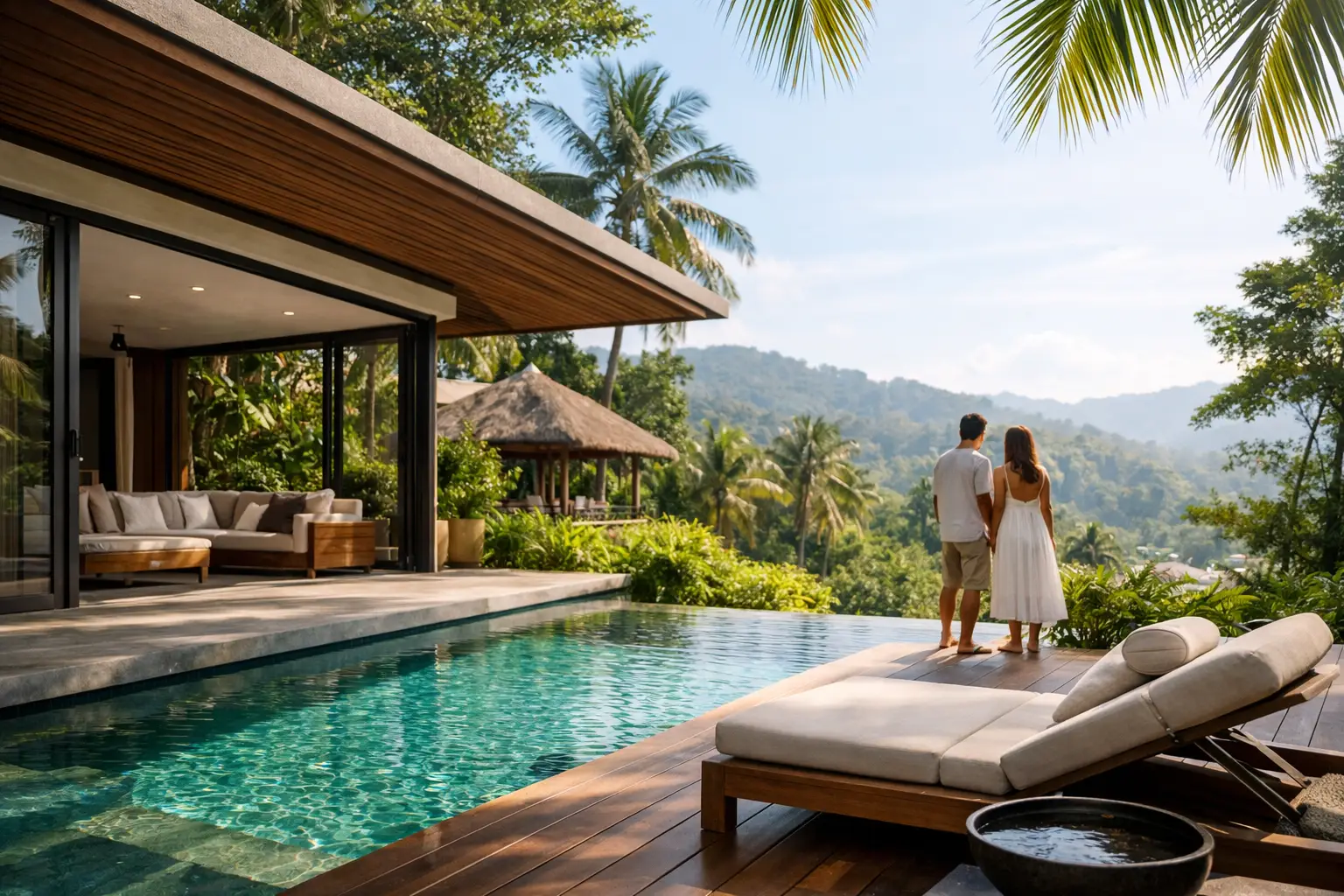
Why Architect Designed Tropical Villas Feel Different
A villa can look beautiful in a photograph and still feel strangely disconnected once you arrive. A dramatic pool may be exposed to neighbouring properties, a vast living room may trap afternoon heat, or bedrooms may be placed so far apart that a family gathering feels fragmented. Architect designed tropical villas begin with a more meaningful question: how should life feel here, from the first quiet coffee to a long supper beneath the stars?
For travellers choosing Bali or Sri Lanka for a treasured holiday, a celebration or time with several generations of family, that distinction matters. The finest private villas are not simply large houses in lush locations. They are considered sanctuaries shaped around climate, landscape, privacy and the natural rhythm of being together.
What architect designed tropical villas change
Architecture has the power to make a tropical setting feel generous rather than overwhelming. In a well-conceived villa, the landscape is not treated as decoration beyond the glass. It becomes part of the experience: palms frame a morning view, a courtyard draws in a soft breeze, and water reflects changing light as the day settles into evening.
This is rarely accidental. Thoughtful placement considers where the sun rises, when the rain arrives, how prevailing breezes move through the site and which views deserve to be protected. Wide rooflines provide shade without closing off the garden. Deep verandas offer a place to read during a shower. Sliding doors allow the living spaces to open when the weather is kind, while still giving guests the option of cool, calm interiors when humidity rises.
The result is a more instinctive kind of comfort. Rather than feeling sealed away from the destination, guests can enjoy its sounds, scents and colour while retaining the ease expected from five-star accommodation.
Space that brings people together, gently
The most memorable villa stays tend to happen in the moments between plans. Children drift in and out of the pool. Someone lingers over breakfast. A couple find a shaded corner for an unhurried conversation, while grandparents relax close enough to feel part of the day.
Good design makes these moments easy. Shared areas have room to breathe, but they do not feel like a hotel lobby. The kitchen, dining pavilion, pool terrace and lounge connect naturally, so a chef-led dinner or a birthday toast can unfold without guests being separated into formal zones. At the same time, bedrooms and quieter sitting areas provide genuine retreat.
This balance is especially valuable for multigenerational holidays and groups of friends. Togetherness should be available, not imposed. A well-planned villa lets every guest choose their own pace, then come back together when it matters.
Privacy is designed, not merely promised
Privacy is one of the greatest pleasures of a private villa, yet it depends on more than a gate at the entrance. It is created through intelligent sightlines, thoughtful landscaping and the relationship between each room and the surrounding land.
A bedroom should feel peaceful even when the household is gathered by the pool. An outdoor bathroom should feel secluded without becoming dark or enclosed. A dining terrace should welcome evening conversation without placing guests on display. These details are often subtle, but they change the emotional quality of a stay.
For couples, this means space for stillness and romance. For families and celebratory groups, it means freedom to laugh, swim, dine and relax without the self-consciousness that can accompany a busy resort. Discreet in-villa service complements this feeling: attentive when wanted, quietly unobtrusive when guests simply want to be at home.
Design that respects the tropics
Tropical luxury is sometimes mistaken for excess – more marble, more glass, more spectacle. Yet the villas that age most gracefully usually show restraint. They use natural materials with confidence, allowing stone, timber, woven textures and local craft to bring warmth without competing with the setting.
There is also a practical wisdom in this approach. Materials must respond well to heat, rain, salt air and intense sunlight. Open-sided pavilions need shelter as well as airflow. Pools need to feel inviting at every hour, not just visually impressive at midday. Gardens need to be lush while still being manageable and water-conscious.
Sustainability is part of this consideration, though it should never feel like a compromise in comfort. A villa that works with its environment can reduce unnecessary energy use, support local makers and preserve the character of its setting. Guests may notice this in the coolness of a shaded room, the quality of locally made furnishings or the sense that the property belongs to its landscape rather than being placed upon it.
Of course, every preference is personal. Some travellers love a contemporary, minimalist home with bold lines and expansive glazing. Others seek the soft patina of a more traditional tropical residence. What matters is not a single aesthetic but whether the architecture serves the holiday: comfort in changing weather, room to gather, places to pause and a setting that feels authentic rather than staged.
Beyond a beautiful backdrop for celebrations
A remarkable villa can make an intimate wedding, milestone birthday or family reunion feel wonderfully effortless. The setting gives the occasion atmosphere before a single flower is arranged: a garden opening onto distant greenery, a poolside lawn warmed by lantern light, a dining table set for the people who matter most.
But event-friendly design is about logistics as much as beauty. There needs to be an easy flow between arrival areas, ceremony spaces, dining and quieter corners. Guests of different ages need comfortable places to sit, shade during the day and uncomplicated access to facilities. The host should not spend the celebration worrying about where everyone will stand when the rain comes or whether there is enough space for a relaxed meal.
A private villa is best for celebrations that value intimacy over scale. It may not be the right choice for a very large event requiring extensive production, but for a close gathering it offers something a conventional venue rarely can: time. There is no rush to leave after dinner, no need to move the group between separate locations, and no loss of atmosphere when the formal part of the occasion ends. The celebration simply becomes part of the stay.
How to recognise a villa that will live well
When choosing a tropical villa, photographs are a starting point, not the final answer. Look beyond the headline view and imagine the practical shape of each day. Ask whether there are shaded outdoor spaces at different times, whether bedrooms offer comparable comfort and privacy, and whether indoor areas remain inviting in heavy rain or midday heat.
It is also worth considering the needs of the particular group. Families may value a pool that can be supervised from the main living area. Friends travelling together may prefer bedrooms with similar proportions and en-suite facilities. Couples may place greater value on a private garden, an outdoor bath or a secluded terrace. For an event, ask how the spaces connect and what level of service is available before, during and after the occasion.
The best hosts help make these choices feel personal rather than transactional. At Ambalama Villas, the intention is not simply to offer a striking place to sleep, but a home away from home where the setting, staff and pace of the day can be shaped around the people staying there.
A beautifully designed villa should leave room for the holiday you did not schedule: the dawn swim, the unexpected card game, the meal that runs late because nobody wants to leave the table. Choose a place that cares for those small moments, and the architecture will be remembered not only for how it looked, but for how deeply you were able to rest within it.